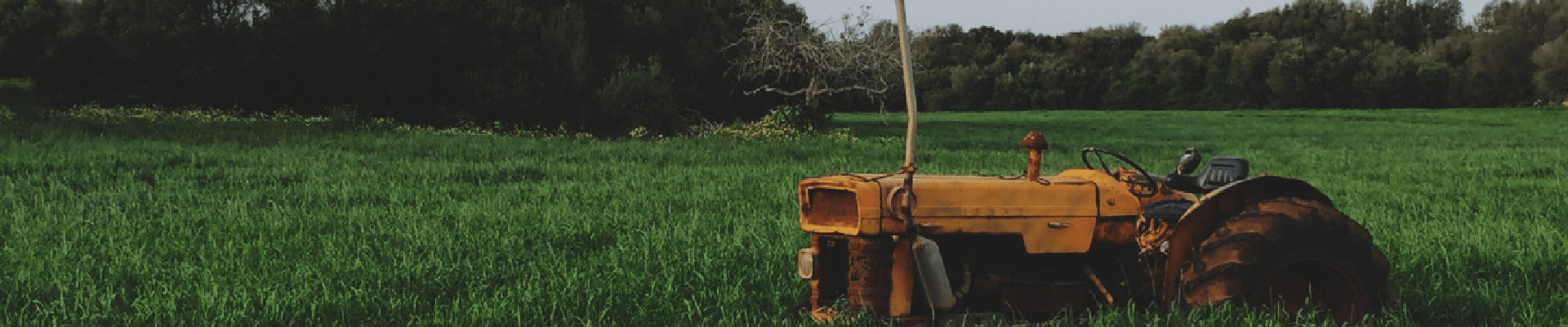
Why Healthy Soil Is the Foundation of a Stable World
Introduction
Soil is more than just dirt—it is a living, dynamic system that supports life on Earth. It regulates nutrients, stores carbon, filters water, and sustains biodiversity. Most importantly, it underpins nearly 95% of global food production, according to the Food and Agriculture Organization.
However, this critical resource is under serious threat. Land degradation, unsustainable farming practices, and climate change are putting increasing pressure on soils worldwide, as highlighted by the United Nations Convention to Combat Desertification.
What is often overlooked is this:
👉 Soil health is not just an environmental issue—it is directly linked to food security, economic stability, and even peace.
🌾 Soil Health and Food Security
Healthy soils are the backbone of productive agriculture. They provide essential ecosystem services such as nutrient cycling, water retention, and carbon storage—functions emphasized by global assessments like those from the Intergovernmental Panel on Climate Change.
When soils are healthy:
- Crop yields are higher
- Food is more nutritious
- Farming systems are more resilient
When soils degrade:
- Productivity declines
- Food prices rise
- Vulnerability to droughts and floods increases
Food security—defined by the Food and Agriculture Organization—depends on four pillars: availability, access, utilization, and stability. Soil health directly influences all of them.
For example:
- Poor soil fertility reduces crop yields (availability)
- Degradation increases production costs (access)
- Nutrient-poor soils lead to less nutritious food (utilization)
- Weak soils fail under climate stress (stability)
⚠️ The Global Crisis of Soil Degradation
Today, up to 40% of global land is degraded, according to the United Nations Convention to Combat Desertification. Each year, billions of tons of fertile soil are lost due to erosion and poor land management.
Key causes include:
- Intensive tillage
- Monocropping
- Overgrazing
- Deforestation
- Climate change
The result?
👉 Reduced agricultural productivity and rising economic losses—especially in vulnerable, agriculture-dependent regions.
🌍 From Soil Degradation to Instability
Environmental stress doesn’t automatically cause conflict—but it can make fragile situations worse.
The Intergovernmental Panel on Climate Change describes environmental degradation as a “threat multiplier.”
Here’s how the chain works:
- Soil degradation reduces food production
- Food scarcity increases prices
- Economic pressure builds
- Social tensions rise
This pattern has been observed during global food crises and in regions already facing political or economic instability.
💥 Food Insecurity and Conflict
Rising food prices have historically been linked to unrest. When people cannot access affordable food, instability often follows.
According to the World Food Programme:
Hunger and conflict reinforce each other in a vicious cycle.
In many cases:
- Food insecurity fuels migration
- Migration increases pressure on cities and borders
- Competition over resources intensifies
🌡 Climate Change, Soil, and Risk
Climate change is accelerating the problem.
The Intergovernmental Panel on Climate Change highlights:
- More frequent droughts
- Extreme rainfall
- Heat stress
Degraded soils are less able to cope with these changes.
At the same time, soils are a powerful solution:
👉 They store more carbon than the atmosphere and vegetation combined.
Improving soil health can:
- Increase productivity
- Reduce climate risks
- Support long-term stability
🌱 Soil Management as a Pathway to Peace
Investing in soil is not just about agriculture—it is a strategy for stability and peacebuilding.
Proven solutions include:
- Conservation agriculture
- Crop rotation
- Agroforestry
- Organic soil amendments
- Integrated nutrient management
These practices:
- Restore productivity
- Improve resilience
- Strengthen livelihoods
🏛 Governance and Policy Matter
Sustainable soil management also depends on strong governance.
Secure land ownership encourages farmers to invest in long-term soil health. Weak land rights, on the other hand, can lead to:
- Land degradation
- Conflict over resources
Global initiatives supported by the United Nations Convention to Combat Desertification promote land restoration as a pathway to resilience and cooperation.
🎯 Soil and the Global Development Agenda
Soil health is central to achieving multiple global goals:
- Zero Hunger
- Climate Action
- Life on Land
- Peace and Strong Institutions
It connects environmental sustainability with economic and social stability.
🔬 Looking Ahead
Despite growing awareness, key gaps remain:
- Limited data linking soil restoration directly to conflict reduction
- Weak soil monitoring systems in many countries
- Lack of integration between environmental science and policy
More interdisciplinary research is needed to fully understand and address these connections.
✅ Conclusion
Soil is one of the most strategic resources on Earth.
When soils degrade:
- Food systems weaken
- Economies suffer
- Instability increases
When soils are restored:
- Productivity improves
- Communities become more resilient
- Peace becomes more achievable
👉 Investing in soil is not just an environmental priority—it is an investment in food security, stability, and the future of our societies.